By Emily Herr
The Scoop Digital Newspaper: April 2025

That well-intentioned toss of bread to the eager ducks and geese at the local pond might seem like a harmless act of kindness. After all, they gobble it up so enthusiastically, right? However, this seemingly innocent gesture can actually cause significant harm to these beautiful birds. It’s time to break the habit and understand why bread is bad news for our feathered friends.
The Nutritional Void of Bread
Imagine living solely on sugary snacks. You might feel full initially, but you’d quickly become malnourished and prone to various health problems. The same principle applies to ducks and geese. Bread, especially white bread, is essentially empty calories for them. It lacks the essential vitamins, minerals, and proteins they need for healthy growth, strong bones, and proper feather development.
Filling up on bread leaves less room for them to forage for their natural, nutrient-rich diet of aquatic plants, insects, seeds, and small invertebrates. This can lead to:
- Malnutrition: Birds can become weak, underweight, and more susceptible to diseases.
- Growth Deformities: Young birds, in particular, need a balanced diet for proper development. A bread-heavy diet can lead to wing deformities like “angel wing,” a condition that prevents them from flying.
- Weakened Immune Systems: Just like humans, a poor diet compromises their ability to fight off infections and parasites.
Beyond Nutrition: Other Harms of Bread
The negative impacts of feeding bread extend beyond just nutritional deficiencies:
- Water Pollution: Uneaten bread can rot and contaminate the water, leading to algae blooms and a decrease in oxygen levels, harming the entire aquatic ecosystem.
- Attracting Pests: Piles of soggy bread attract unwanted pests like rats and mice to the feeding areas, creating unsanitary conditions.
- Overcrowding and Dependence: Easy access to human handouts can cause unnatural congregations of birds, increasing competition for resources and the risk of disease transmission. It can also make them dependent on humans for food, reducing their natural foraging behaviors.
- Digestive Issues: Birds’ digestive systems aren’t designed to process large amounts of processed carbohydrates. Bread can lead to digestive problems, including impaction.
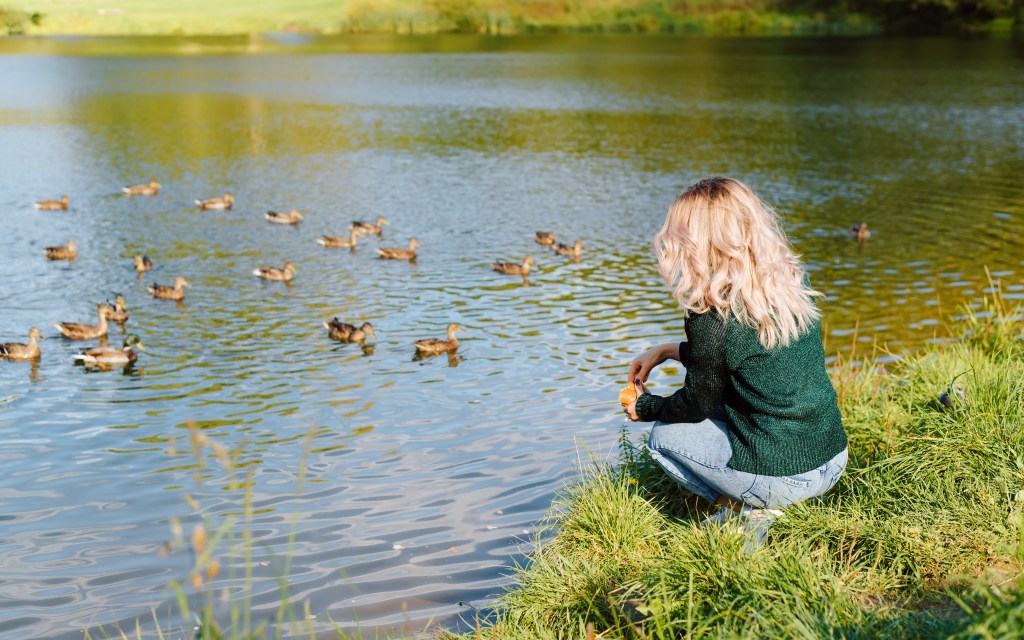
So, What Should You Feed?
If you enjoy interacting with the ducks and geese and want to offer them a healthy treat, there are much better options:
- Duck and Goose Food Pellets: These are specifically formulated to provide the balanced nutrition they need. You can often find them at farm supply stores or online.
- Birdseed: Offer a mix of seeds, similar to what you’d put in a bird feeder.
- Cut-up Fruits and Vegetables: Small pieces of grapes (halved or quartered), berries, peas (fresh or frozen), corn (canned, frozen, or fresh), and leafy greens like lettuce and spinach are healthy and enjoyable treats.
- Oats: Plain, uncooked oats are a good source of energy and fiber.
A Little Consideration Goes a Long Way
While the intention behind feeding ducks and geese is often kind, understanding the potential harm of bread is crucial. By choosing healthier alternatives and offering them in moderation, we can ensure these beautiful creatures thrive in their natural environment. Let’s make our interactions with wildlife beneficial, not detrimental. Think before you toss, and choose healthy treats instead!

The author would like to thank Sugar Feather Farm for providing the inspiration for this article.
Check out Sugar Feather Farm for all your fowl needs.
~~~~~~~~~~~~~~~~~~~~~~~~~~~~~~~~~~~~~~~~~~~~~
The Scoop Digital Newspaper
contact@thescoopdigitalnewspaper.blog
 Emily Herr
Leave a comment