By Emily Herr
The Scoop Digital Newspaper: June 2025

In the vast and varied world of poultry, some breeds stand out not just for their appearance, but for their remarkable resilience and rich history. Among these is the Hedemora chicken, a fascinating landrace breed hailing from the unforgivingly cold climate of Dalarna County in central Sweden. Often referred to as the “Hemedora” by some, this breed is a testament to natural adaptation, developing unique characteristics that make it an exceptional choice for colder regions.
A History Forged in Frost
The Hedemora chicken’s story stretches back centuries, with roots deep in Swedish agricultural tradition. Unlike many modern breeds developed for specific traits, the Hedemora evolved organically within its harsh environment. For generations, these chickens were a vital part of household life in the Hedemora region, adapting over time to withstand freezing temperatures, heavy snow, and limited resources. Their survival instincts shaped them into the robust and self-sufficient birds we know today. In fact, they were once so common that newlyweds in Sweden were traditionally gifted Hedemora hens as a symbol of prosperity and a happy home.
While the breed faced near extinction in the 20th century due to the rise of industrial farming, dedicated conservation efforts in the 1980s successfully brought them back from the brink, securing their place as an important genetic resource and a living piece of Swedish heritage.
Distinctive Features for a Demanding Climate
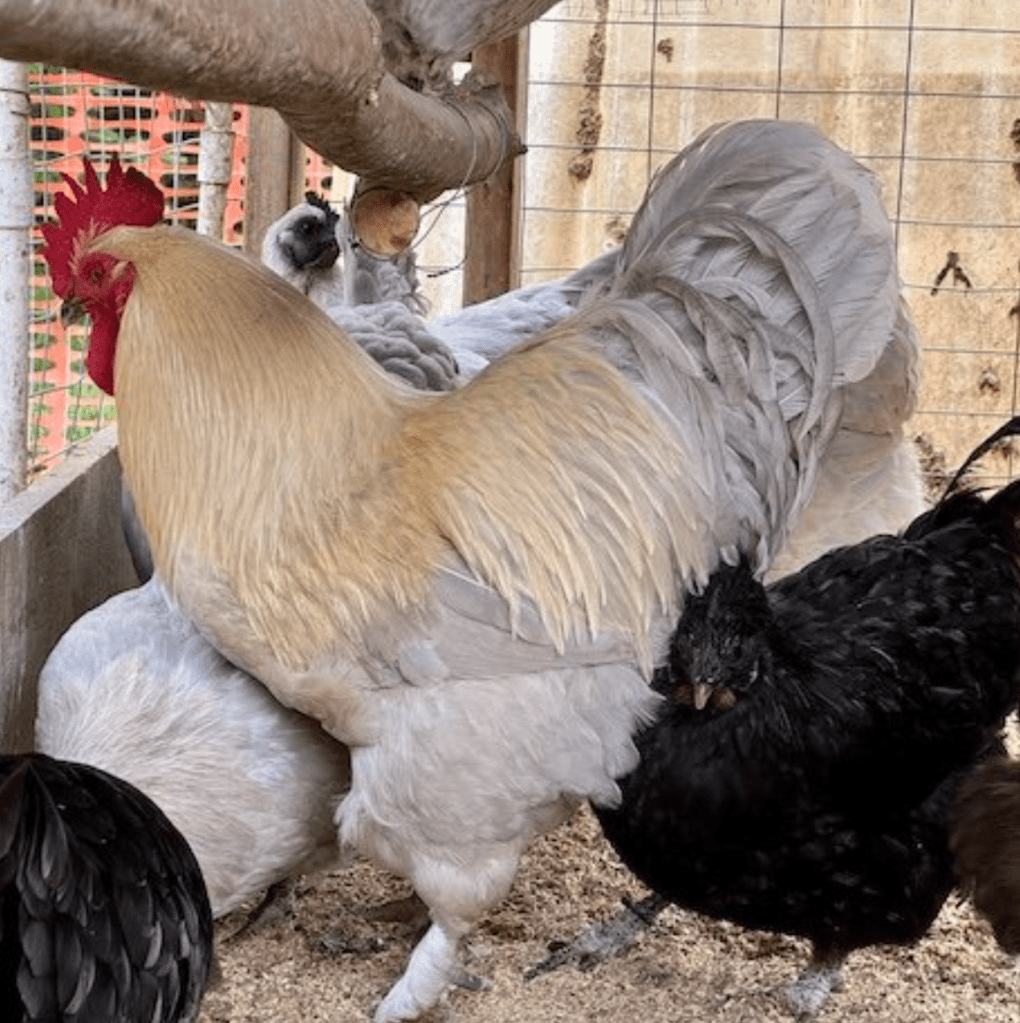
What sets the Hedemora apart is its incredible cold-hardiness. This isn’t just a casual claim; it’s a fundamental aspect of their physiology. Their most striking feature is their exceptionally dense and extra-downy plumage. This thick underlayer of down acts as superior insulation, making them appear larger and fluffier than their actual size suggests. Some Hedemoras even exhibit a unique “woolly” or “silkie-like” feathering, further enhancing their ability to trap heat. This remarkable feathering often extends down their legs, giving them a distinctive “wide pants” or “trousers” look.
Beyond their feathery coats, Hedemoras possess other adaptations for cold weather:
- Small Combs and Wattles: These features are significantly reduced in size compared to many other breeds, minimizing the risk of frostbite.
- Varied Appearance: As a landrace breed, the Hedemora doesn’t adhere to a strict breed standard in terms of color or feather type. They come in a beautiful array of shades, including black, blue (gray), white, and various wild or wheat patterns. Some may even exhibit fibromelanosis, a genetic trait that results in black or purplish skin, bones, and internal organs. This genetic diversity is highly valued for maintaining the breed’s overall health and resilience.
- Sturdy Build: While not exceptionally large (roosters typically weigh 4-6 pounds, hens 3-5 pounds), they have a robust and compact body shape that helps conserve heat.
Personality and Productivity
Despite their rugged nature, Hedemoras are generally known for their docile and calm temperament. They are active and excellent foragers, thriving in environments where they can roam and explore. This self-sufficiency makes them a low-maintenance addition to a backyard flock.
When it comes to egg production, Hedemora hens are considered moderate layers, producing approximately 100-150 small to medium-sized, cream-colored or light brown eggs per year. Their true value lies in their ability to lay consistently even in the depths of winter, a trait that is highly prized in colder regions where many other breeds cease production.
Hedemora hens also possess strong maternal instincts, with a good percentage of them readily going broody and making excellent mothers. This makes them ideal for those who wish to naturally hatch and raise their own chicks.

Cockerels: The Guardians of the Flock
In any chicken flock, the role of the male, whether a young cockerel or a mature rooster, is significant. A cockerel is specifically a male chicken under one year old, while a rooster or cock is a male over a year old. In the case of Hedemoras, their cockerels and roosters are typically attentive and protective.
Hedemora cockerels, like males of most breeds, will begin to develop their distinct masculine characteristics as they mature. These include:
- Larger and Brighter Combs and Wattles: While still relatively small for frostbite protection, a cockerel’s comb and wattles will be more prominent and vibrant in color than those of a pullet (young hen).
- Pointed Hackle and Saddle Feathers: Male chickens develop long, pointed feathers around their neck (hackle feathers) and on their lower back in front of their tail (saddle feathers).
- Spur Growth: Cockerels will often develop spurs, bony outgrowths on the back of their legs, which become sharper and longer as they age.
- Crowing: Perhaps the most iconic trait, Hedemora cockerels will begin to crow as they reach sexual maturity, typically around five months of age. While crowing is often associated with announcing daybreak, cockerels will crow throughout the day for various reasons, including asserting dominance, signaling to hens, and alerting the flock to perceived threats.
- Protective Instincts: A good Hedemora rooster will serve as a vigilant guardian for his hens, constantly on the lookout for predators and often guiding the flock to food and water. They can help maintain order within the pecking order and offer a sense of security to the hens.
While the presence of a cockerel is not necessary for hens to lay eggs, it is essential for fertile eggs if you plan to hatch chicks. Responsible keeping of cockerels involves providing adequate space, ensuring a good hen-to-rooster ratio to prevent over-mating or aggression towards hens, and being mindful of their crowing, especially in urban or suburban settings.
Conclusion
The Hedemora chicken is more than just a farm bird; it’s a testament to natural selection and a valuable heritage breed. Its exceptional cold-hardiness, diverse appearance, calm demeanor, and reliable egg production (even in winter) make it a highly desirable choice for poultry enthusiasts in colder climates. And with the steadfast presence of their observant cockerels, Hedemora flocks embody a self-sufficient and resilient spirit, bringing a touch of Swedish charm and practicality to any homestead.
Exciting News for Poultry Enthusiasts!
For those interested in adding these remarkable birds to their flock, Sugar Feather Farm is currently having a sale on all cockerels and hatching eggs through July 31, 2025! This is a fantastic opportunity to acquire high-quality Hedemora genetics and start your own resilient flock.

The author would like to thank Sugar Feather Farm for providing the inspiration for this article.
Check out Sugar Feather Farm for all your fowl needs.
~~~~~~~~~~~~~~~~~~~~~~~~~~~~~~~~~~~~~~~~~~~~~
The Scoop Digital Newspaper
thescoop@writeme.com
 Emily Herr
Leave a comment