By Emily Herr
The Scoop Digital Newspaper: June 2025

As the temperatures climb, ensuring the well-being of our animal companions and livestock becomes a top priority. Unlike humans, many animals lack the ability to sweat effectively, making them highly susceptible to heat stress and even heatstroke. This article will provide crucial strategies to keep your animals comfortable and safe during the scorching summer months.
Universal Cooling Strategies for All Animals
Regardless of the species, several fundamental practices apply to all animals when the mercury rises:
- Abundant, Fresh, Cool Water: This is perhaps the most critical factor. Animals drink significantly more in hot weather. Ensure all water sources are clean, cool, and easily accessible. Consider placing multiple water stations to prevent competition and ensure all animals can hydrate. For larger troughs, place them in the shade to keep the water from heating up.
- Ample Shade: Direct sunlight can quickly lead to overheating. Provide natural shade from trees or constructed shelters like shade cloths, tarps, or well-ventilated barns. Strategically position these so that shade is available throughout the day, especially during peak sun hours.
- Good Ventilation and Airflow: Stagnant, hot air is a recipe for heat stress. In enclosed spaces like barns or coops, ensure excellent ventilation through open windows, vents, or the use of fans. Even a gentle breeze can make a significant difference.
- Adjust Feeding Times: Digestion generates internal body heat. To minimize this, feed animals during the cooler parts of the day, such as early morning or late evening. Consider offering lighter, more easily digestible feeds.
- Avoid Overexertion and Handling: Limit strenuous activity, transportation, or extensive handling during the hottest parts of the day. If animals must be moved, do so during the coolest hours, ideally at night or very early morning.
- Monitor for Signs of Heat Stress: Be vigilant for any indicators that an animal is overheating. These can vary by species but often include lethargy, increased respiration (panting or rapid breathing), excessive drooling, seeking shade, and reduced appetite. If you suspect severe heat stress, consult a veterinarian immediately.
- Provide Cooling Opportunities: For some animals, direct cooling can be beneficial. This might include misting systems, sprinklers, or even shallow wading pools, depending on the species.
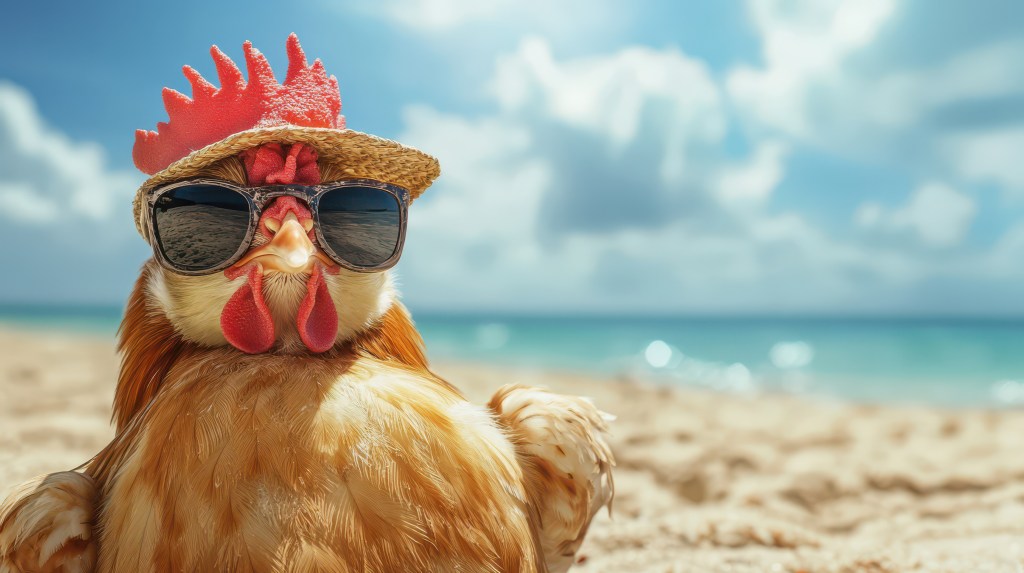
Keeping Chickens, Roosters, and Other Fowl Cool
Poultry are particularly sensitive to heat, as their normal body temperature is already quite high (around 105−106∘F) and they don’t sweat. They rely primarily on panting to cool down, which can lead to dehydration and electrolyte imbalances.
Here’s how to keep your feathered friends comfortable:
- Water, Water, Water! This cannot be stressed enough. Provide multiple waterers, keep them clean, and ensure the water stays cool. Adding ice cubes to waterers throughout the day can be a lifesaver. You can also add electrolytes to their water to help replace lost minerals.
- Plenty of Shade in the Coop and Run: Ensure their coop and run are well-shaded throughout the day. Shade cloths, strategically placed tarps, or even planting fast-growing vines can help. Consider painting your coop a light color to reflect sunlight.
- Excellent Ventilation: Coops need excellent airflow to prevent heat buildup. Open all vents and windows, and consider adding a fan to circulate air, especially on still, hot days. Make sure nesting boxes also have good ventilation, as they can become heat traps.
- Frozen Treats and Water-Rich Foods: Offer frozen treats like frozen corn, watermelon, or berries. These provide hydration and a fun way for them to cool down internally. Avoid high-protein treats, as their digestion can generate more heat.
- Misting or Spritzing: A fine mist from a hose (not a soaking wet spray, which can lead to humidity issues) can help lower the ambient temperature. Focus on misting the ground around them or lightly misting their comb and wattles. Avoid soaking their feathers unless there’s a good breeze for evaporation, as wet feathers can hinder their natural cooling if it’s too humid.
- Cool Dust Baths: Chickens love to dust bathe. If their dust bath area is in direct sun, move it to a shaded spot. You can even mix in a little cool, damp (not muddy) dirt or sand to give them a cooler wallow.
- Signs of Heat Stress in Fowl: Watch for:
- Panting and Open-Mouth Breathing: This is their primary way to cool down.
- Wings Held Away from Body: This increases surface area for heat dissipation.
- Lethargy and Reduced Activity: They will conserve energy.
- Pale Comb and Wattles: These areas can indicate circulatory issues due to heat.
- Decreased Egg Production or Thin-Shelled Eggs: Heat stress significantly impacts laying hens.
- Increased Water Consumption, Decreased Feed Intake.
- Diarrhea (from increased water intake).
- In severe cases: collapse, unconsciousness, or death.

Keeping Dogs Cool
Dogs, especially those with thick coats, brachycephalic (short-nosed) breeds like bulldogs and pugs, and older or overweight dogs, are highly susceptible to heatstroke.
- Never Leave Dogs in Parked Cars: Temperatures inside a parked car can rise to dangerous levels in minutes, even on a seemingly mild day with windows cracked. This is a fatal mistake.
- Provide Cool Resting Spots: Inside, ensure your dog has access to cooler rooms, tiled floors, or cooling mats. Outdoors, shaded areas are essential. A kiddy pool with a few inches of water can be a great way for them to cool off their paws and belly.
- Limit Exercise During Peak Heat: Walk dogs during the cooler morning or evening hours. Avoid asphalt or concrete, which can get extremely hot and burn their paws. Test the pavement with the back of your hand – if it’s too hot for you, it’s too hot for their paws.
- Frozen Treats: Offer dog-safe frozen treats like ice cubes, frozen broth, or specially made dog popsicles.
- Grooming: While never shave a double-coated dog, regular brushing helps remove loose undercoat, improving air circulation. For single-coated breeds, a summer trim can be beneficial.
- Signs of Heat Stress in Dogs:
- Excessive Panting: Much heavier than normal.
- Drooling: Thick, ropey saliva.
- Reddened Gums.
- Vomiting or Diarrhea.
- Weakness, Stumbling, or Collapse.
- Seizures.

Keeping Cats Cool
Cats are often more subtle about showing signs of discomfort, but they can still suffer from heatstroke, especially older, overweight, or long-haired cats.
- Provide Cool Retreats: Cats will naturally seek out cool spots. Ensure they have access to tiled floors, bathtubs, sinks, or even a cool basement.
- Fresh Water in Multiple Locations: Just like dogs, cats need constant access to fresh water. Consider a pet fountain, as some cats prefer running water. Add ice cubes to their water bowls.
- Grooming: Regular brushing, especially for long-haired breeds, helps remove loose fur that can trap heat. Never shave a cat unless medically necessary, as their fur also provides insulation from the heat.
- Cooling Surfaces: Offer cooling mats designed for pets, or simply a damp (not soaking wet) towel for them to lie on.
- Limit Outdoor Time: Keep outdoor cats indoors during the hottest parts of the day.
- Signs of Heat Stress in Cats:
- Restlessness.
- Panting (uncommon in cats unless severely stressed).
- Sweaty Paws.
- Lethargy.
- Vomiting.
- Staggering or Collapse.

Keeping Horses Cool
Horses are powerful animals, but they can generate significant internal heat during exercise and are susceptible to heat stress, especially in humid conditions.
- Abundant Water Access: Provide large, clean water troughs and ensure they are always full. Horses can drink significant amounts in hot weather. Consider adding electrolytes to their feed or water, especially after exercise.
- Ample Shade in Pastures and Stalls: Pastures should have natural shade from trees or purpose-built run-in sheds. Stalls should be well-ventilated and offer protection from direct sun.
- Strategic Exercise: Ride or work horses during the coolest parts of the day – early morning or late evening. Reduce intensity and duration of workouts.
- Cooling Down After Exercise: Immediately after a workout, hose your horse down with cool (not ice-cold) water, repeatedly scraping off the excess water to promote evaporative cooling. Focus on large muscle groups and blood vessel areas like the neck and inner thighs.
- Fans in Stalls: Industrial-strength fans can significantly improve airflow in stalls. Ensure they are safely mounted and out of reach of inquisitive noses.
- Monitoring and Electrolytes: Learn to take your horse’s temperature, pulse, and respiration. Watch for signs of dehydration (skin pinch test). Electrolyte supplements can help replace salts lost through sweat.
- Signs of Heat Stress in Horses:
- Elevated Respiration Rate: Rapid, shallow breathing.
- Profuse Sweating or Lack of Sweating (anhidrosis).
- Elevated Body Temperature.
- Lethargy, Depression.
- Stumbling, incoordination.
- Reduced Appetite and Water Intake.

Keeping Other Livestock (Goats, Sheep, Cattle, Pigs) Cool
Different livestock have varying tolerances to heat, but all require attention during summer.
- Goats and Sheep:
- Shade is Paramount: These animals need plenty of shade, whether natural or artificial.
- Constant Water Access: Multiple water sources are beneficial, especially if kept in larger herds. Keep water troughs clean and full.
- Shearing: For wool sheep, shearing before the hottest months can significantly improve their heat tolerance. Meat goats and hair sheep generally shed naturally, but good management is still key.
- Good Ventilation: In barns or shelters, ensure excellent airflow.
- Misting/Sprinkling: A gentle mist or sprinkler system in their loafing areas can provide relief.
- Signs of Heat Stress: Panting, lethargy, seeking shade, reduced appetite, staggering.
- Cattle:
- Abundant Water: Easy access to large volumes of fresh, cool water is critical. Water intake can double or triple in hot weather.
- Shade Structures: For confined cattle, shade structures are essential. In pastures, natural tree lines are valuable.
- Sprinklers/Misters: In dairy operations and feedlots, specialized cooling systems (misters, sprinklers, fans) are often used to reduce heat stress.
- Strategic Grazing: Allow pastured cattle to graze during cooler hours.
- Signs of Heat Stress: Increased respiration, open-mouth breathing, drooling, reduced feed intake, standing (rather than lying down), seeking shade.
- Pigs:
- Mud Wallows or Sprinklers: Pigs cannot sweat and rely heavily on external cooling. Provide access to mud wallows or operate sprinkler systems to allow them to cool down.
- Shade and Ventilation: Enclosed hog barns require excellent ventilation systems and fans. Outdoor pigs need ample shade.
- Cool Water: Ensure constant access to fresh, cool drinking water.
- Signs of Heat Stress: Rapid, shallow breathing; skin reddening; reluctance to move; increased water consumption; open-mouth breathing with foamy saliva. Pigs are highly susceptible to heatstroke.
By implementing these strategies, you can help your animals navigate the challenges of summer heat, ensuring their health, comfort, and productivity. A little proactive planning goes a long way in protecting your beloved creatures from the dangers of the sun.
~~~~~~~~~~~~~~~~~~~~~~~~~~~~~~~~~~~~~~~~~~~~~
The Scoop Digital Newspaper
thescoop@writeme.com
 Emily Herr
Leave a comment