By Emily Herr
The Scoop Digital Newspaper: June 2025
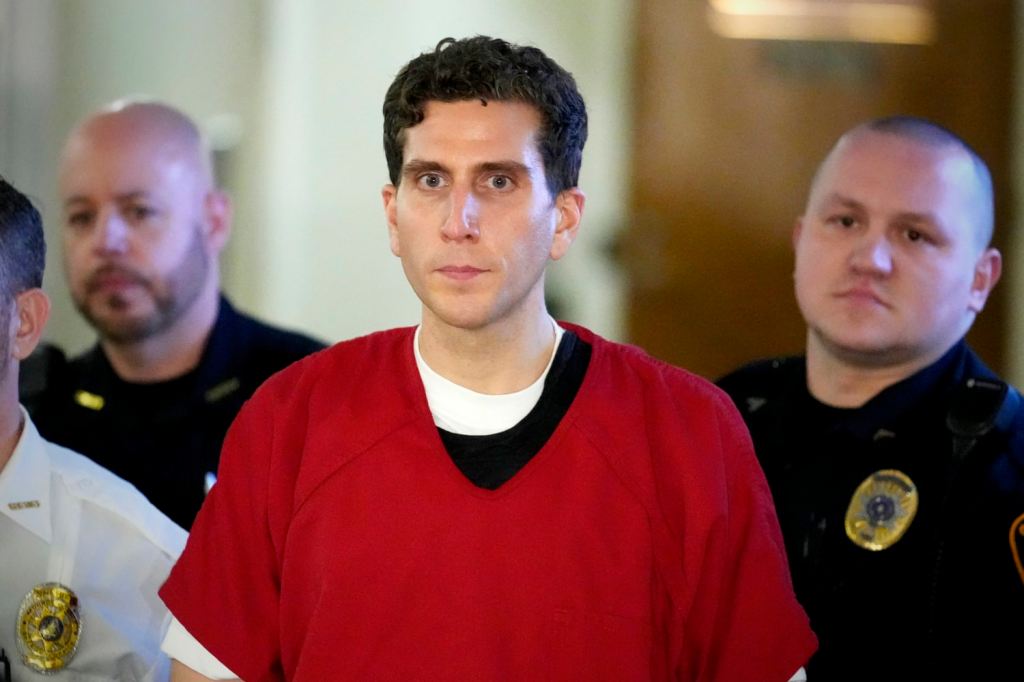
Today, in a somber courtroom, the individual responsible for the horrific school shooting that shattered our community accepted a plea deal, foregoing a trial and the possibility of facing the death penalty. This decision brings a conclusion, albeit a painful one, to a chapter that has deeply affected countless lives.
Plea Deal Reached in School Shooting Case
The defendant, whose name we are withholding out of respect for the victims and to avoid glorifying their actions, pleaded guilty to multiple counts of murder and aggravated assault. The agreement ensures a sentence of life imprisonment without the possibility of parole, a concession made by the prosecution in exchange for avoiding a lengthy and emotionally taxing trial, and to guarantee a definitive end to the legal proceedings.
A Community Grapples with Justice
For many, the news of a plea deal instead of a death penalty trial may elicit mixed emotions. On one hand, it spares the victims’ families and the community from the harrowing experience of reliving the tragedy through court testimony and evidence. It also provides a measure of certainty, ensuring the perpetrator will remain incarcerated for the rest of their life.
However, for others, the lack of a death penalty sentence might feel like an insufficient form of justice. The irreparable harm caused by the shooting, the lives lost, and the trauma inflicted on survivors and witnesses, weigh heavily on the collective consciousness. The pursuit of the ultimate penalty often stems from a desire for retribution and a belief that such heinous acts warrant the most severe consequences.
The Rationale Behind the Decision
The prosecution’s decision to offer a plea deal was likely multifaceted. Trials involving capital punishment are notoriously complex, lengthy, and expensive. They often face numerous appeals, prolonging the legal process for years, even decades. There’s also the inherent uncertainty of a jury trial, as well as the high burden of proof required for a death penalty conviction and sentence. By securing a plea to life without parole, the prosecution guaranteed a definitive outcome and prevented the possibility of a lesser sentence or even an acquittal on some charges.
Moving Forward
As the legal proceedings conclude, the community now faces the ongoing challenge of healing. The scars left by the shooting run deep, and the journey towards recovery is a long and arduous one. While no legal outcome can ever truly mend the broken pieces, the finality of this plea deal may offer a degree of closure, allowing individuals to focus on remembrance, support, and rebuilding.
The memory of those lost will forever be etched in our hearts, and the resilience of the community in the face of such adversity stands as a testament to its strength.
The Horrific Details of the Crime
The school shooting in question was a meticulously planned and brutally executed act of violence that left the community reeling. While the specific details vary in each tragic incident, such attacks typically involve an individual (or in some cases, multiple individuals) who methodically target a school campus with the intent to cause mass casualties.
In many such cases, the perpetrator often had a history of concerning behavior, though this may not have been fully recognized or addressed prior to the attack. This can include:
- Social isolation and alienation: The individual might have struggled to form meaningful connections, feeling misunderstood or outcast.
- Fixation on violence: A disturbing interest in violent acts, weapons, or previous mass shootings can be a common thread. This might manifest in online searches, writings, or discussions.
- Mental health struggles: While not all perpetrators have a diagnosed mental illness, many exhibit signs of depression, anxiety, or other psychological issues that, if left untreated, can escalate.
- Experiences of bullying or perceived grievances: A sense of being wronged or bullied by peers or the school system can fuel a desire for revenge.
- Access to firearms: A critical factor in the scale of such tragedies is often the perpetrator’s access to high-powered firearms and ammunition.
On the day of the shooting, the scene was one of unimaginable terror. The calm of a typical school day was shattered by the sound of gunfire, quickly followed by screams and panic. First responders arriving on scene faced a chaotic and active threat, often entering the building while the attack was still in progress, risking their lives to protect students and staff.
Victims suffered a range of injuries, from fatal gunshot wounds to severe physical and psychological trauma that will affect them for the rest of their lives. The emotional scars extend to teachers, staff, first responders, and the entire community, which is left to grapple with the profound sense of loss, fear, and shattered innocence.
Investigations into such crimes typically uncover a chilling timeline of events, often revealing how the perpetrator gained entry, the path they took through the school, and the methods used to inflict harm. Forensic evidence, eyewitness accounts, and digital footprints (from social media, online searches, and personal devices) often help piece together the motive and the sequence of events.
The aftermath of such a tragedy is always marked by immense grief, calls for increased school safety measures, and a renewed debate about gun control and mental health resources. The plea deal, while bringing a legal conclusion, does not erase the devastating impact of the original crime, and the struggle for healing and justice continues for all those affected.
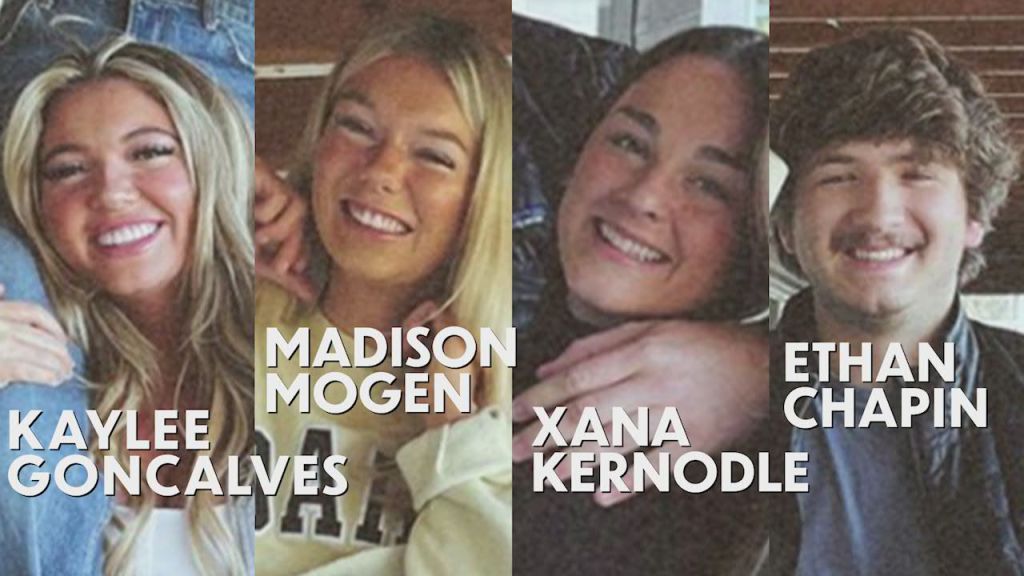
The victims of the tragic University of Idaho murders, for which Bryan Kohberger is accused and has reportedly accepted a plea deal, are:
- Ethan Chapin, 20, of Conway, Washington
- Kaylee Goncalves, 21, of Rathdrum, Idaho
- Xana Kernodle, 20, of Avondale, Arizona (who later lived in Post Falls, Idaho)
- Madison Mogen, 21, of Coeur d’Alene, Idaho
Catching a Killer
Bryan Kohberger’s capture on December 30, 2022, was the culmination of an intensive, weeks-long investigation that leveraged multiple crucial pieces of evidence. Following the horrific stabbings, investigators meticulously pieced together clues, including DNA found on a knife sheath at the crime scene, cell phone data indicating Kohberger’s presence near the victims’ home multiple times prior to and on the day of the murders, and surveillance video that captured a white Hyundai Elantra matching his vehicle leaving the area. This evidence ultimately led authorities to a graduate criminology student at Washington State University, located just a short drive from Moscow, Idaho. He was apprehended by Pennsylvania State Police and the FBI at his parents’ home in Albrightsville, Pennsylvania, bringing a significant development to a case that had gripped the nation.

~~~~~~~~~~~~~~~~~~~~~~~~~~~~~~~~~~~~~~~~~~~~~
The Scoop Digital Newspaper
thescoop@writeme.com
 Emily Herr
Leave a comment